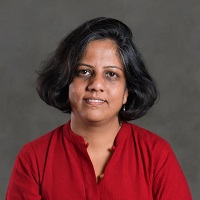
Meghal Arya
Guest Editorial: Dialogue and Dissemination
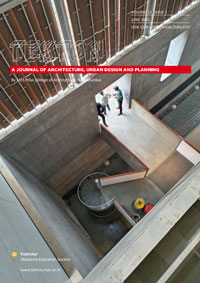
 Research writing, while focused, tends to be a insular. Opportunities to share with peers, not the final paper, but the interim journey, the purpose, the findings, or the methods become valuable check posts that allow us to step outside that insularity and formal structures. The annual Research Symposium at CEPT University, organised by the Doctoral office was initiated as a forum for the faculty to pause, reflect and present their research work to the wider community on the campus. It has evolved in the years since its inception to span disciplines, generations and geographies. The diversity of research presented and the nuanced, critical discussions on issues related to the built habitat is a testimony to the reputation of the University.
The 2025 symposium moved focus from faculty to the PhD scholars. From a cohort of more than 30 scholars in architecture and planning, 12 scholars who had completed their course work shared selected parts of their research in thematic panels followed by discussions with invited experts, faculty and fellow scholars. By pairing their perspectives with a keynote by Simone le Grange from UCT, Cape Town and faculty presentations the symposium created unique verticals of mentorship and peer-to-peer exchange. External experts and other faculty were invited discussants to open up the conversation.
The research projects are nested within robust conceptual and theoretical frameworks, underpinned by extensive existing literature study, national and international. The historical and social frameworks of our cities form the backdrop to these research projects. In the current context of narratives that promote multi-disciplinary or inter-disciplinary research, the scholars have navigated the blurred boundaries by being grounded in their core competence, with an agility to accommodate other disciplinary inputs. This reflects on their developing skills to remain relevant and resilient in this ever changing landscape of research in the built environments.
To expand the efforts that went into the organisation of the symposium and the scholar presentations, the logical next step was to publish the presentations as articles. Tekton’s presence in the academic landscape in India with its long history of peer reviewed publications made it an ideal choice for such a publication. Spatial erasures in the context of post-colonial studies, domesticity in Mumbai chawls, Marla houses in Chandigarh, network of relationships of entrepreneurs in New Delhi, contested spaces and vitality of Indian street are addressed in the papers. The volume is particularly valuable for the extensive article on spatial segregation in Cape Town consequential to the apartheid regime.
This volume is the result of a conversation with Prof. Smita Dalvi, the former editor and her generous offer to dedicate a volume to the contributions of the young researchers. I would like to acknowledge Prof. Tridip Suhrud (provost, CEPT University) and Prof. Rutul Joshi (Head, Doctoral Program, CEPT University) who initiated the research symposium, and Aarti Bhoorat who manages the program. A modest gathering of scholars has now become a significant event in the annual calendar of the University. Acknowledgement is due to all the dedicated scholars who constantly endeavor to improve their work, readily participate in all the events and activities, keeping alive a vibrant community of researchers on the campus. Finally, thanks are due to Neha Sayed who took on this responsibility midway, and navigated it through all the complexities arising out of such a situation. I hope that such a collaboration, first of its kind, initiates similar such other initiatives in the future.
Meghal Arya
Professor and Head of PhD Program,
Faculty of Architecture, CEPT University
June, 2025
meghalarya@cept.ac.in